When grout cracks, chips, or turns to powder, it is almost always a symptom of a deeper structural problem: **sub-surface movement**. Grout is designed solely to fill the spaces between tiles, not to act as an adhesive.
Phase 1: Initial Assessment & Diagnosis
This job clearly demonstrates what happens when tile isn’t properly bonded to its substrate. Cracking along the corners of a tub can be normal due to minor seasonal settling, but extensive grout fracturing in the middle of a marble tub surround or shower curb indicates a loose foundation. If the marble slabs or tiles move when pressure is applied, any new grout pushed into those joints will crack and fail almost instantly.
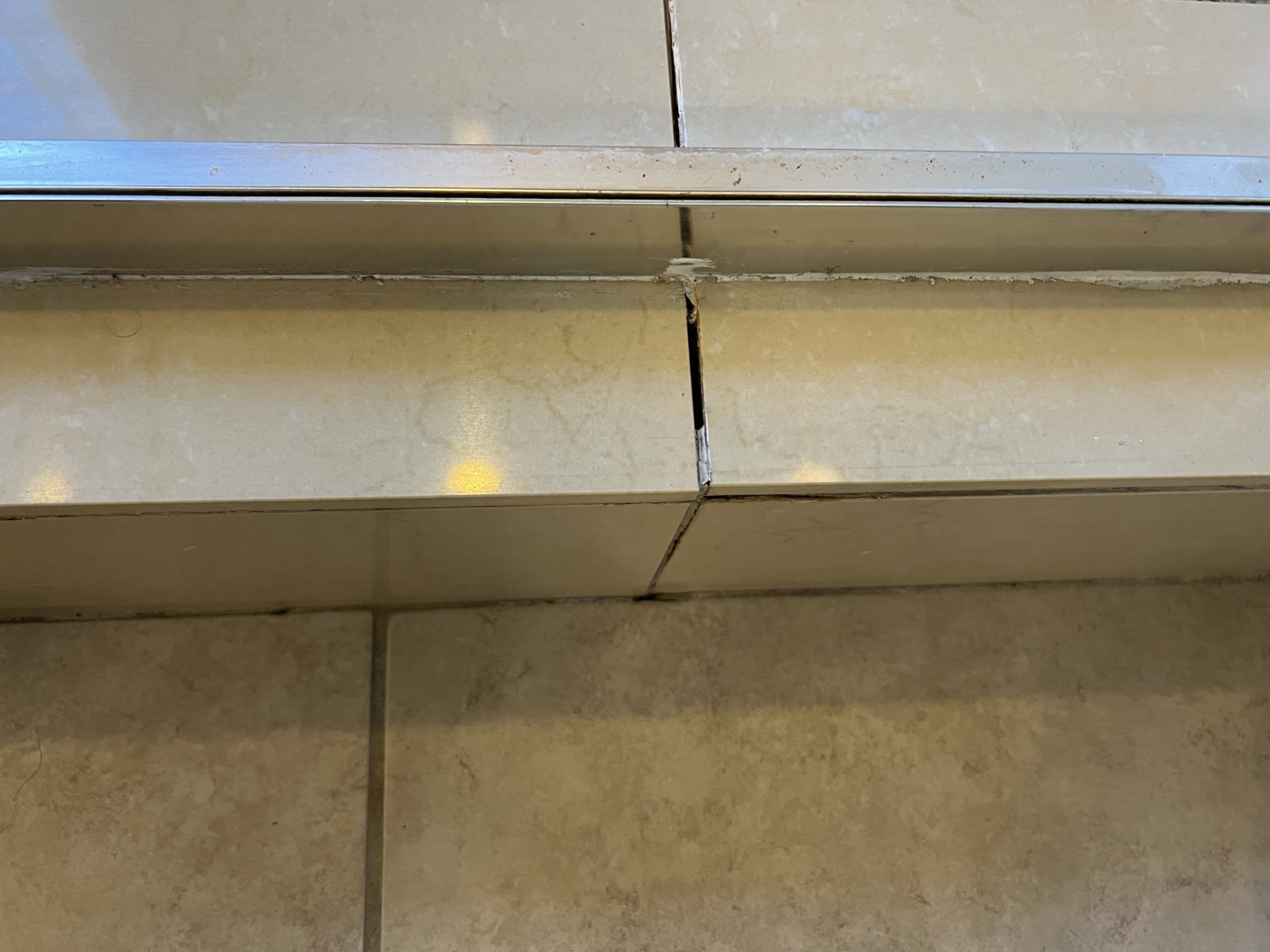
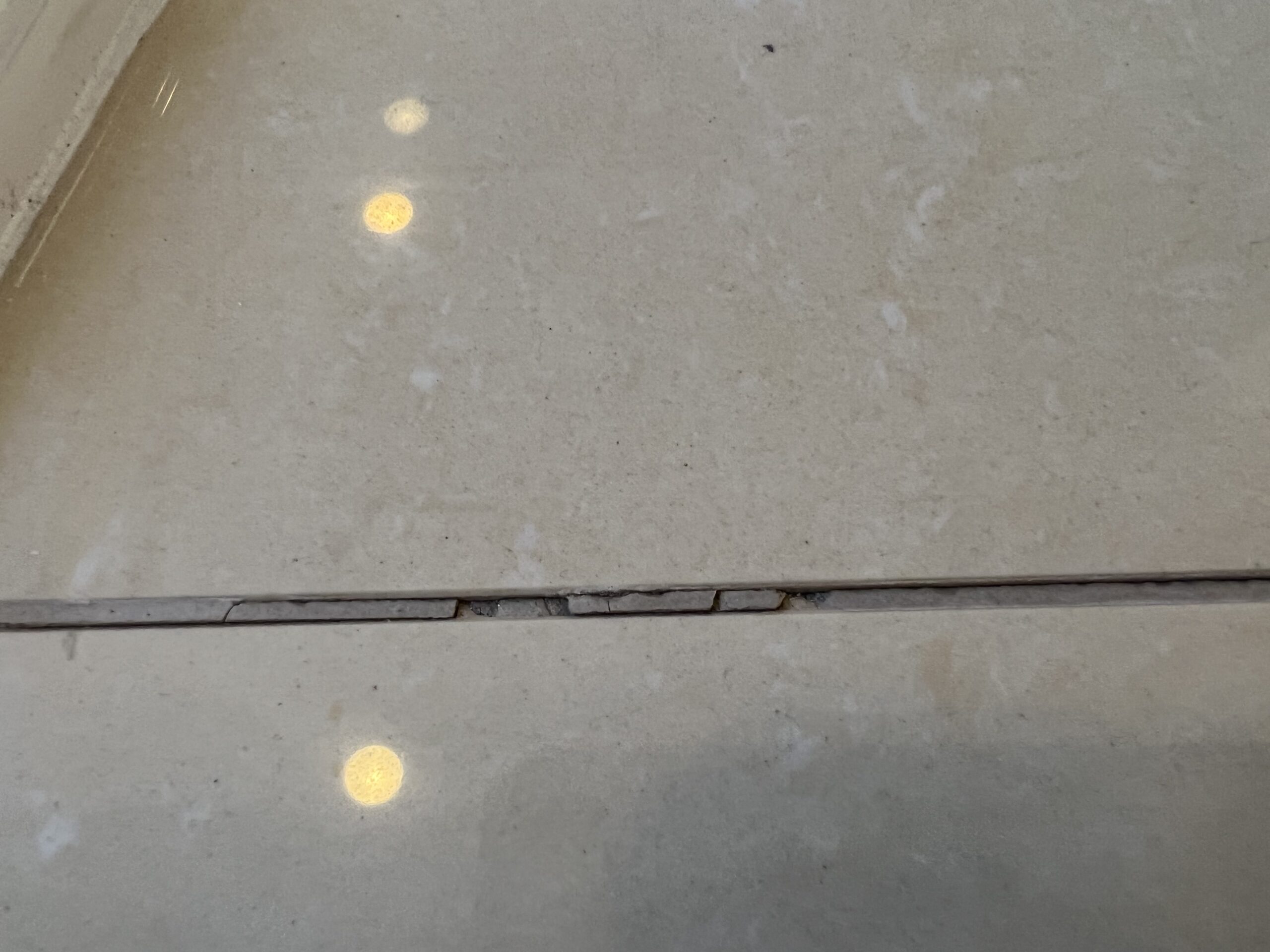
Testing for Substrate Deflection:
Watch this short diagnostic clip showing how easily unbonded tiles shift under light pressure. Applying fresh material over a moving target is a temporary band-aid, not a long-term fix.
Phase 2: Grout Repair & Honest Warranty Guidelines
To ensure complete transparency, we recommended a total replacement and re-bonding of all loose tiles so we could back the install with a standard craftsmanship warranty. When a client requests a direct spot-grout repair over unstable tile installations anyway, we execute the joint prep cleanly to give it the highest possible chance of adhesion, but no warranty against future cracking can be provided.
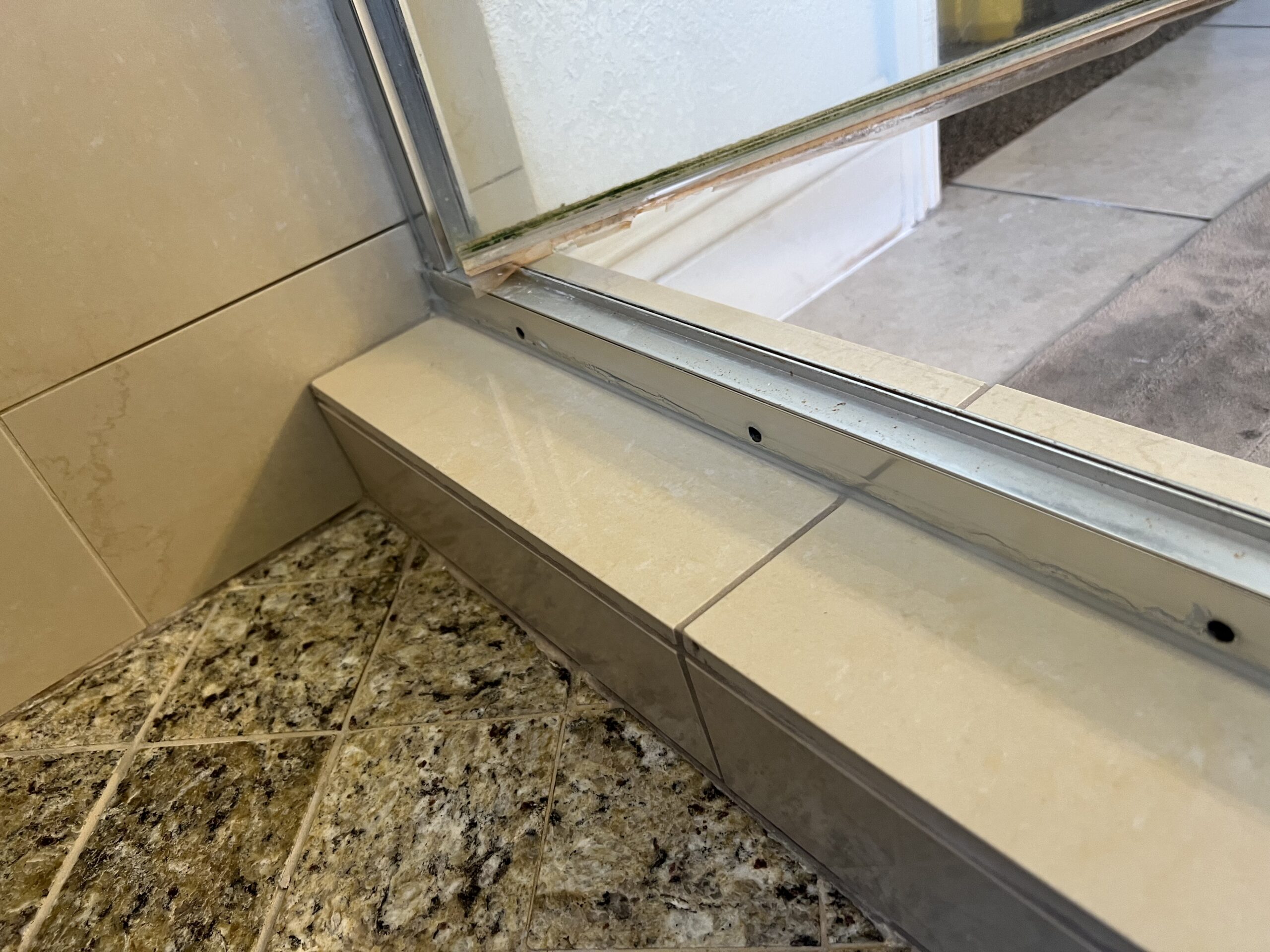
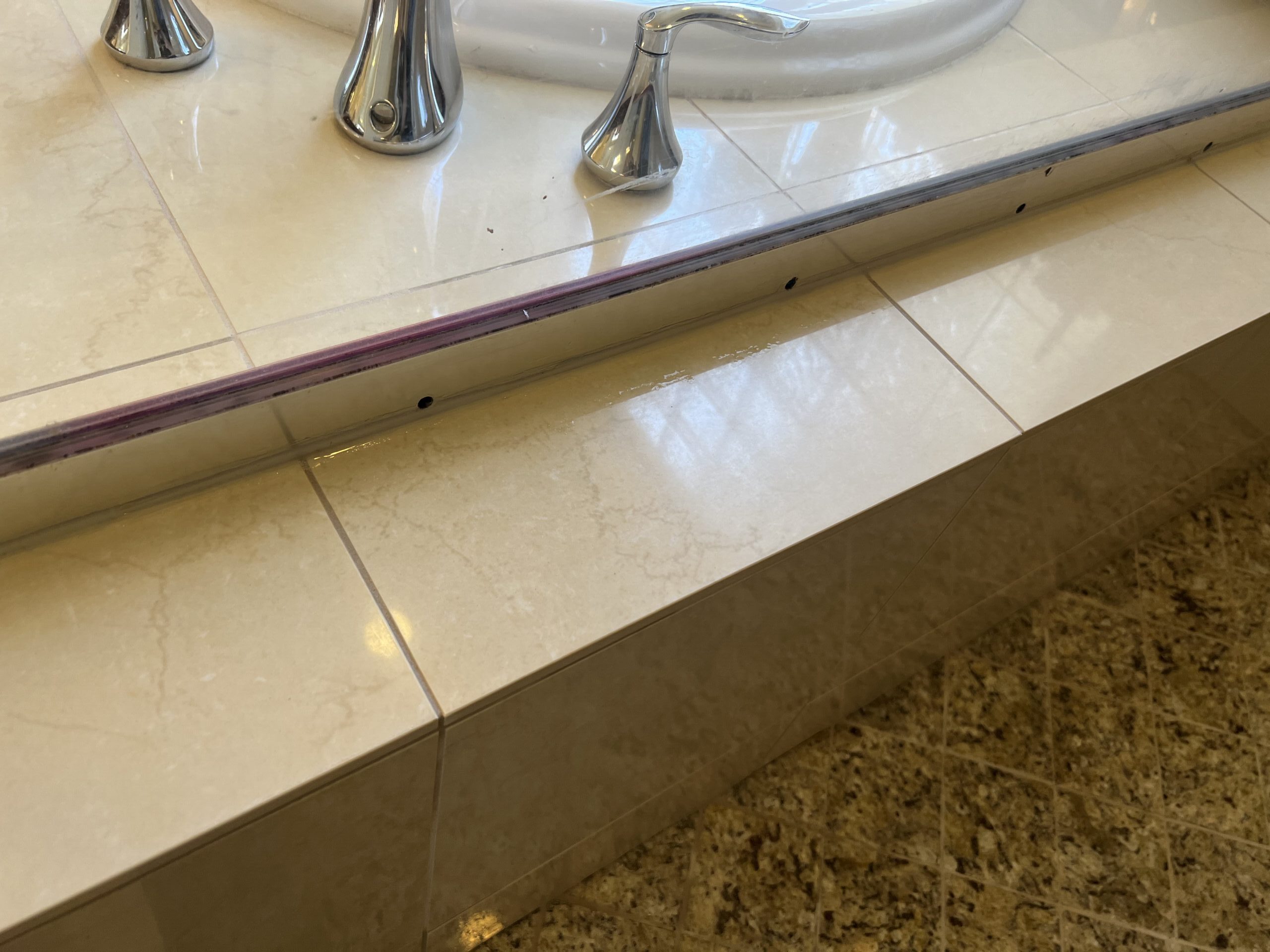
The Golden Rule of Grout Restoration:
Always make sure the underlying tile or stone is completely immovable and securely locked down before starting any regrouting procedure. It’s just that simple: address the physical movement first, or the restoration work will fail prematurely.
Professional Grout Evaluations & Repairs By
Shower Pros
Roseville • Sacramento • El Dorado Hills • California